
Reviewed · AUSTIN MUSEUMS & ATTRACTION TICKETS
Austin: Neill-Cochran House Museum
A quiet house can still tell loud truths. The Neill-Cochran House Museum is one of Austin’s oldest residences, built in 1856, and it includes the city’s only intact slave quarters. It’s also just a few minutes’ walk from UT Austin, which makes it easy to fold into a day of sightseeing.
I love the way the museum moves through Austin and Texas history using historically furnished rooms, covering the city’s birth in 1839 through 1930. I also like that you can choose your pace: self-guided audio gives you narration without needing a specific group schedule.
One consideration: if you want a docent-led tour, it’s not the default. Docent-led tours are limited to groups of 6 or more and must be arranged 3 days in advance—so most independent visits will be self-guided.
In This Review
- Key things to know before you go
- Neill-Cochran House Museum: why this 1856 house matters
- Getting there from UT Austin and finding the entrance
- The self-guided audio tour route: front desk, first floor rooms, and the slave quarters
- First-floor accessibility and what you’ll see without getting stuck
- Rotating exhibitions: art and history that keep the house from feeling stuck in the past
- Docent-led tours for groups: when you need live narration
- Price and value: what $10 gets you for a 1-day Austin stop
- Museum rules that affect your comfort inside the house
- Who this experience suits best (and who might want a different option)
- Should you book the Neill-Cochran House Museum?
- FAQ
- How much does the Neill-Cochran House Museum cost?
- How long is the experience?
- Is there a self-guided option?
- Are docent-led tours included?
- Where do I start?
- Is parking available?
- Is the museum wheelchair accessible?
- What languages are offered?
- What items are not allowed?
Key things to know before you go
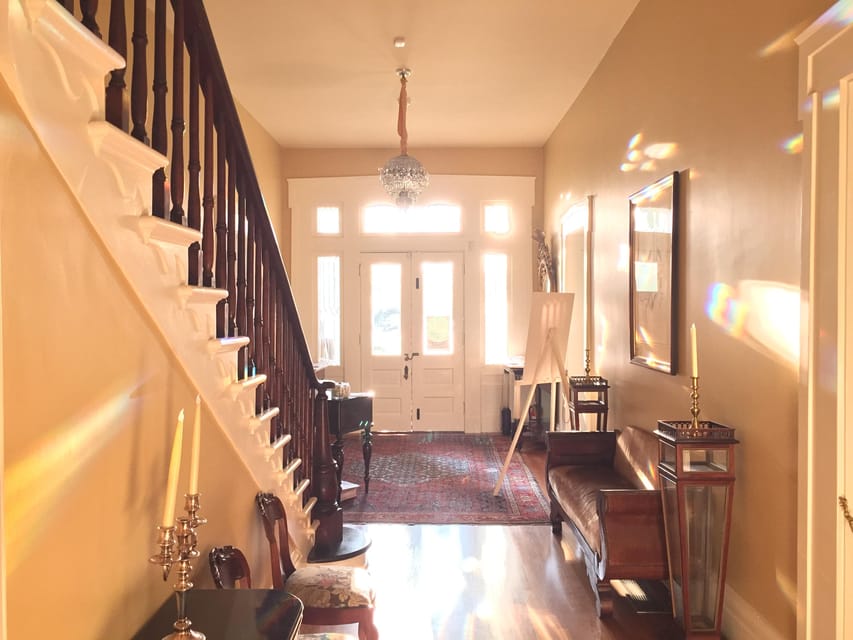
- City’s last intact slave dwelling: the slave quarters are a key part of the historic site.
- Self-guided audio tour: it’s included, so you can set your own timing.
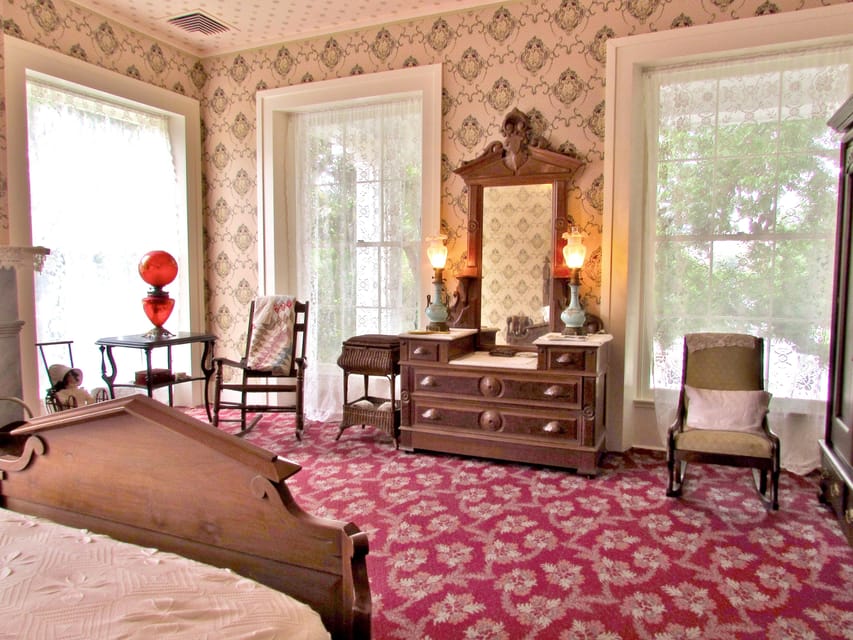
- Historically furnished spaces: the house helps you understand Austin’s story from 1839–1930.
- Rotating art and history exhibitions: you’ll see changing displays, not just the house rooms.
- Close to UT Austin: a simple walk if you’re already in that area.
More Austin doors worth an entry ticket




Neill-Cochran House Museum: why this 1856 house matters
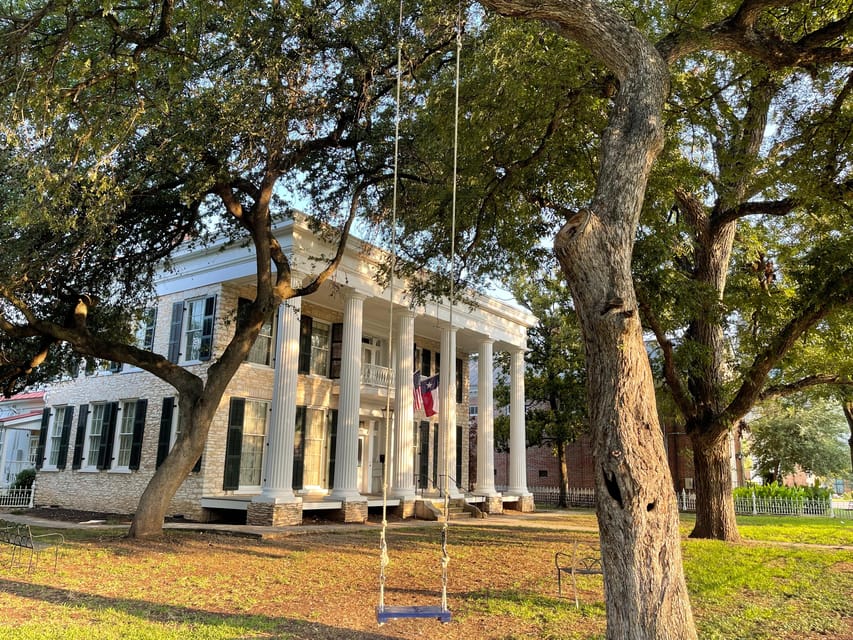
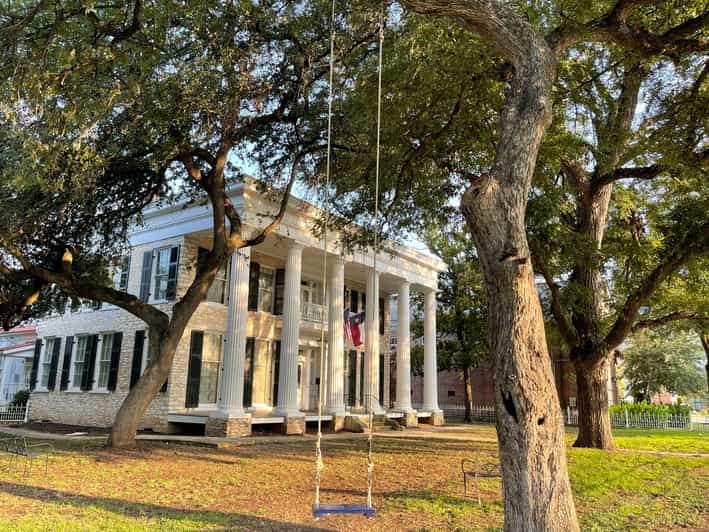
This is the kind of museum you don’t rush. The Neill-Cochran House Museum isn’t just an old building; it’s a place where you can see how daily life looked during Austin’s early years and how the forced labor system shaped the city. The house dates to 1856, and the site includes Austin’s only intact slave quarters, which is rare and important.
That last detail changes how the visit feels. Instead of staying at the level of vague dates, you get a physical sense of space—where people lived, how rooms functioned, and how the house operated as a working world. And because the museum uses historically furnished spaces, the experience tends to feel grounded rather than abstract.
You’ll also encounter context about Austin’s development over a long stretch of time, from the city’s early days in 1839 to periods into 1930. That broader timeline makes it easier to connect the past to later chapters of Austin history, including the way culture and community evolved.
Getting there from UT Austin and finding the entrance
The museum is located in central Austin and is reachable on foot from UT Austin, so you can fit it between other stops without reorganizing your whole day. The front entrance is your starting point: enter there, register at the front desk, and then begin your tour.
If you drive, parking is available behind the museum, off 23rd Street between San Gabriel Street and Leon Street. That’s a practical setup because it reduces the “where do we park?” stress that can drain a half-day.
Also note that the museum provides host/greeters in English and Spanish. That matters if you want quick help with where to start, how the audio tour works, or what’s worth prioritizing when you’re short on time.
Finally, plan on rules inside the house. The experience is careful and controlled because you’re moving through historic rooms and exhibits. That actually helps—less chaos, better flow.
The self-guided audio tour route: front desk, first floor rooms, and the slave quarters
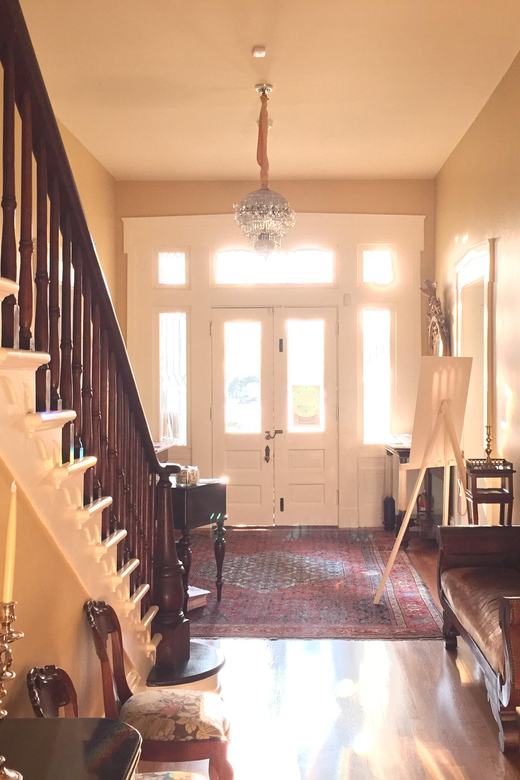
Your visit is built around the self-guided audio tour, which is included. After you register at the front desk, you can move through the historic site at your own pace and listen to the narration as you go. This style works well if you like reading at your speed or if you want to pause when a room, object, or detail catches your attention.
On the first floor, you’ll find historic rooms, exhibits, and restrooms. This level is wheelchair accessible, which is a big help for anyone planning a visit with mobility needs. You won’t feel like you have to skip the core parts because the museum is designed with access in mind.
The slave quarters are a central stop. Since the site includes Austin’s last intact slave dwelling, you’ll be looking at a part of the property that’s not just symbolic. The rooms and layout give you a more direct understanding of what “housing” meant under slavery—space, function, and limits all show up in the physical reality of the building.
Then there’s the second floor, which includes additional displays and exhibits. Here’s a useful detail: interpretive materials for second-floor exhibits are available upon request. If you want that extra context, ask rather than guessing what you’re looking at.
If you’re short on time, use the first-floor rooms and the slave quarters as your anchor points, and then let the audio tour guide the order for everything else.
First-floor accessibility and what you’ll see without getting stuck
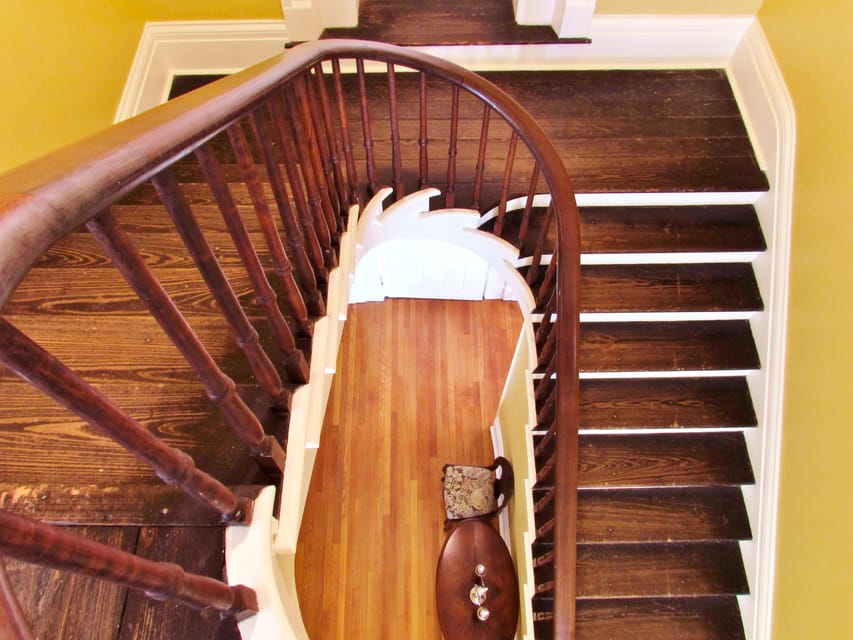
I really appreciate how clearly the museum sets expectations for access. First-floor rooms, exhibits, and restrooms are wheelchair accessible, so you can focus on the content instead of navigating friction. The museum also makes interpretive materials available for second-floor displays and asks you to request them.
That “request if you need it” approach is simple, but it can make a big difference in how much you get from the upstairs areas. If you use a mobility device or prefer to move carefully, it’s smart to decide in advance whether you’ll spend time on the second floor, then ask for the interpretive materials when you’re there.
One more practical note: it’s not a hands-on science museum. Touching exhibits isn’t allowed, so there’s no need to worry about where your hands are supposed to go. Instead, expect to rely on the audio narration, the room context, and the signage.
In short, you can plan a visit that matches your pace and needs, without feeling like you’re missing the “real” parts of the property.
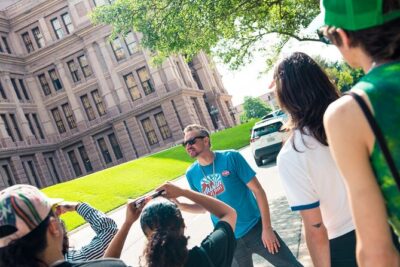


Rotating exhibitions: art and history that keep the house from feeling stuck in the past
The historic house is the main draw, but you don’t come only for rooms. Self-guided tours include access to rotating art and history exhibitions, so the museum changes depending on when you visit.
Recent examples include A Juneteenth Rodeo, with Sarah Bird’s photography of 1970s Black rodeos. Another example is Freemasonry and the NCHM, which looks at the impact of the Freemasons on the site and on the city of Austin. That mix of themes helps you see how the building’s story connects to broader cultural and civic life.
What I like about this approach is balance. If you visit only for the slavery-related history, you might feel like you’re visiting a single chapter. These rotating exhibits broaden the lens, showing how Austin’s communities and institutions evolved over time, while still keeping the historic property as the anchor.
If you enjoy museums where the content isn’t frozen in time, this is a good match. You’ll spend time in the house, then shift to exhibitions that often feel more “right-now” in how they frame identity, community, and power.
Docent-led tours for groups: when you need live narration
Docent-led tours are available, but they’re not automatic. They’re limited to groups of 6 or more and must be arranged at least 3 days in advance. That means for most solo visits, couples, or small parties, you’ll use the self-guided audio tour instead.
Still, docent tours can be worth it if your group has specific interests and you want someone to interpret the rooms in real time. Live guidance can help connect details that might not jump out at you from signage alone—especially in historic spaces where small architectural choices carry big meaning.
If you’re planning a group visit, treat the docent option like a pre-planned event, not an add-on you can decide last minute. You’ll also want to coordinate early so the group size requirement and timing don’t get in the way.
Price and value: what $10 gets you for a 1-day Austin stop
At $10 per person, this isn’t priced like a full-day “mega attraction,” and that’s exactly why it works. For that price, you get a self-guided audio tour, access to the historic site, and entry to rotating art and history exhibitions.
The value comes from the combination of three things:
1) a preserved 1856 residence,
2) a rare intact component of Austin’s slavery-era history, and
3) additional exhibits that expand the conversation beyond the house itself.
Also, because it’s close to UT Austin, you can reduce transportation costs and time. A museum stop that fits naturally into your day often delivers better value than one that forces you to restructure everything around it.
If you like history that feels specific and physical—rooms with context, not just wall text—this price point makes the visit feel practical rather than expensive.
Museum rules that affect your comfort inside the house
Museums in historic homes need rules, and here they’re spelled out clearly. Food and drinks aren’t allowed, and pets aren’t allowed either (assistance dogs are allowed). There’s also no alcohol or drugs, no vaping, and no selfie sticks.
A few rules also affect how you interact with the space:
- touching exhibits isn’t allowed
- bare feet aren’t allowed
If you’re trying to take photos, keep it simple: standard phone camera use is typically fine, but selfie sticks are not. And because it’s an historic interior, expect a calm environment where people move carefully.
This kind of etiquette is a plus when you care about preserving fragile spaces. Less chaos in the rooms makes it easier for you to focus on the narration and the details the house is trying to teach.
Who this experience suits best (and who might want a different option)
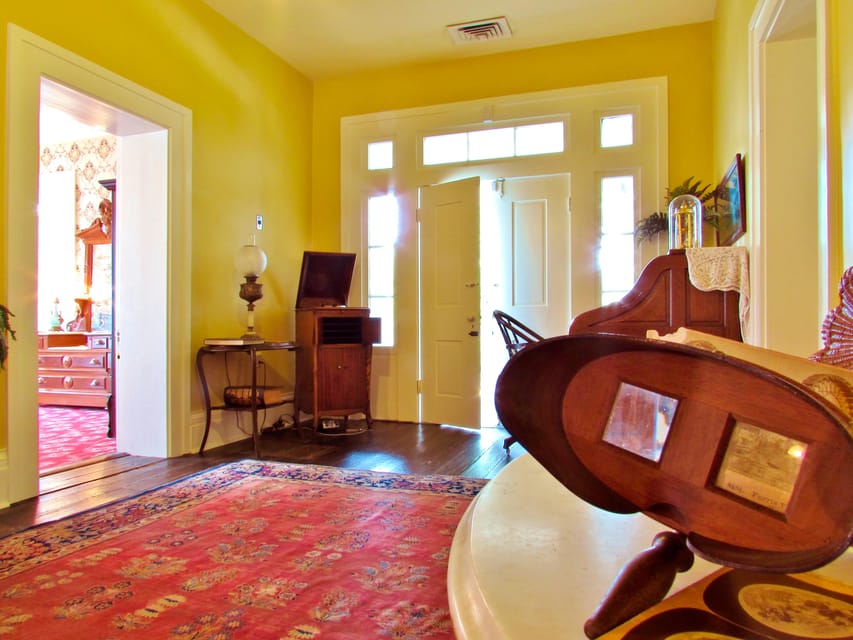
This museum fits best if you:
- want a focused, walk-in-able history stop near UT Austin
- enjoy historically furnished settings
- care about learning how slavery shaped daily life in Texas through a physical, intact site
- like museums that mix house history with changing art and history exhibits
It may be less ideal if you’re hoping for a long, big-ticket, multi-gallery “all-day” event where everything is scheduled to the minute. The Neill-Cochran House Museum is more about the property and the stories inside it than about huge scale.
If you travel with kids, you might find the pacing works best with the audio narration guiding attention. If your group prefers live interpretation, set your expectations around the docents being tied to groups of 6+ and needing advance arrangement.
Should you book the Neill-Cochran House Museum?
I’d book it if you want an Austin history stop that’s close, thoughtfully presented, and grounded in real rooms. The self-guided audio tour is included, the first floor is wheelchair accessible, and the visit gives you access to the house plus rotating exhibitions—so you’re not just seeing one static display.
I’d pause before booking if your main goal is a docent-led tour and you don’t have a group of 6 or can’t arrange it 3 days ahead. In that case, you’ll likely rely on the self-guided experience, which still covers everything, but won’t provide live narration.
If you’re in Austin with even half a day to spare, this is one of those stops that feels small on the outside and meaningful on the inside.
FAQ
How much does the Neill-Cochran House Museum cost?
It costs $10 per person.
How long is the experience?
It’s listed as a 1-day experience.
Is there a self-guided option?
Yes. Self-guided tours include a self-guided audio tour and access to the historic site and rotating art exhibitions.
Are docent-led tours included?
No. Docent-guided tours are not included. They’re limited to groups of 6 or more and must be arranged 3 days in advance.
Where do I start?
Enter through the front entrance, register at the front desk, and begin your tour.
Is parking available?
Yes. Free parking is available behind the museum off 23rd Street between San Gabriel Street and Leon Street.
Is the museum wheelchair accessible?
First-floor rooms, exhibits, and restrooms are wheelchair accessible. Interpretive materials for second-floor exhibits are available upon request.
What languages are offered?
The host or greeter is available in English and Spanish.
What items are not allowed?
Food and drinks, pets (assistance dogs allowed), selfie sticks, vaping, touching exhibits, bare feet, and alcohol or drugs are not allowed.
More Tour Reviews in Austin
- Best of Austin Small-Group Driving Tour with Local Guide
★ 5.0 · 2,275 reviews - Austin Biker Gang E-Bike Tour
★ 5.0 · 1,399 reviews - Austin Food Tour with Local Flavors, Tacos & 6 Food Tastings
★ 5.0 · 987 reviews - Double Decker Austin Single Loop Sightseeing Tour
★ 4.5 · 979 reviews - From Austin: Hill Country BBQ & Wine Shuttle
★ 5.0 · 954 reviews
More Austin Tickets Worth Booking
- Museum of Ice Cream Austin
★ 3.5 · 85 reviews - Austin Indoor Skydiving Experience with 2 Flights & Personalized Certificate
★ 5.0 · 20 reviews - 3D Printer Factory Tour plus 2 ft Tall Rocket!
★ 5.0 · 19 reviews - Austin: Wonderspaces Interactive Art Exhibition Entry Ticket
★ 4.6 · 17 reviews - Ultimate cat experience at Austin’s cat cafe
★ 4.5 · 11 reviews
Hot Off the Grill: New Austin Reviews
- Austin’s Treasures Private tour: A Heroic Downtown Discovery Walk★ 5.0 · 3 reviews
- Private Clear Kayak Tour on Lady Bird Lake in Austin, Texas★ 5.0 · 3 reviews
- Lake Austin Boat Cruise 1.5 Hour Scenic Tour BYOB Per Person★ 4.5 · 3 reviews
- Africa Hologram Adventure at Zoocade★ 3.5 · 3 reviews
- Go Tubing in Austin’s Downtown Spring River★ 5.0 · 3 reviews
Austin Museums & Attraction Tickets, compared.
 ★ 3.5Museum of Ice Cream AustinFrom $3785 reviews
 ★ 5.0Austin Indoor Skydiving Experience with 2 Flights & Personalized CertificateFrom $13520 reviews
 ★ 5.03D Printer Factory Tour plus 2 ft Tall Rocket!From $2219 reviews
 ★ 4.6Wonderspaces Interactive Art Exhibition Entry TicketFrom $2717 reviews
 ★ 4.5Ultimate cat experience at Austin’s cat cafeFrom $1811 reviews
 ★ 4.0Axe Throwing Experience in Austin Texas5 reviews
 ★ 4.0Wonderspaces Austin AdmissionFrom $255 reviews
 ★ 4.7Austin iFLY Skydiving Simulator with Instructor and GearFrom $1354 reviews
Browse the lists this tour appears in